


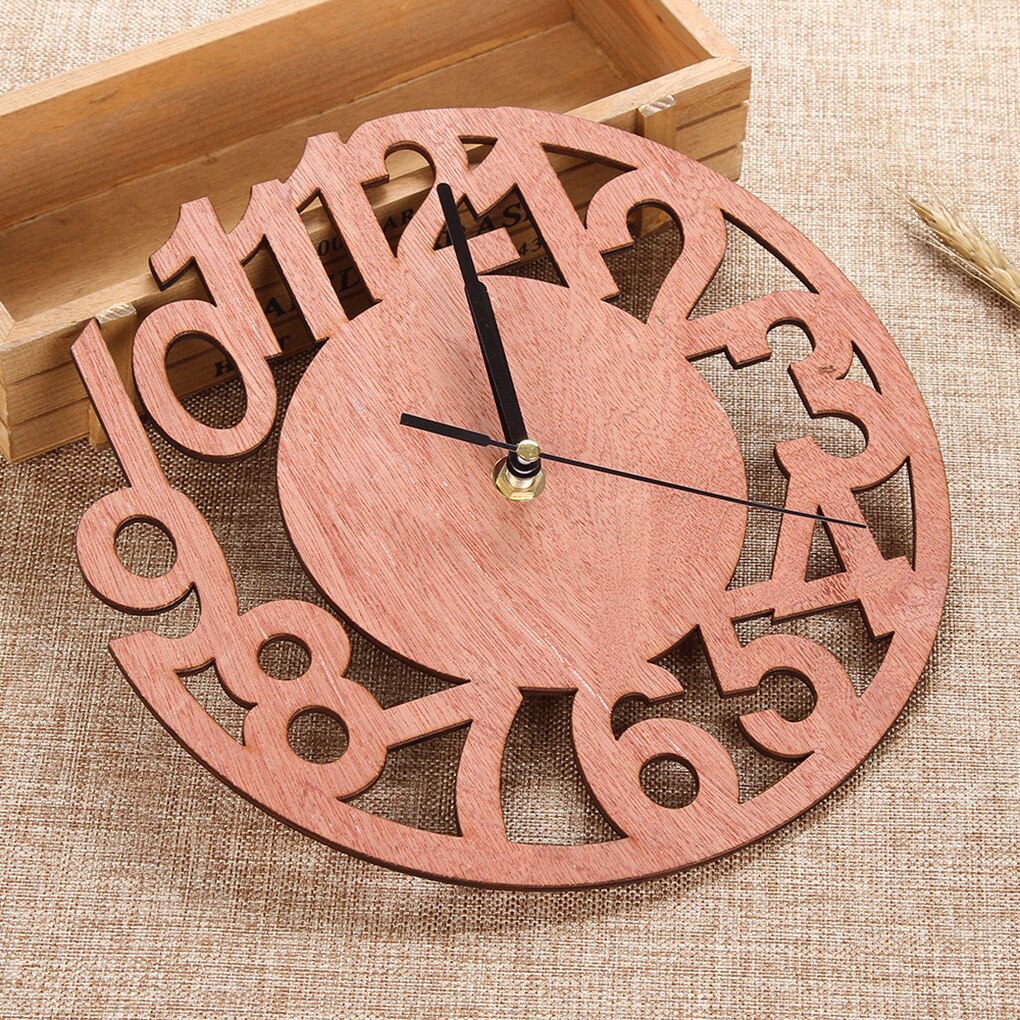
Constructing a Wooden Clock: A Comprehensive Guide
Crafting a wooden clock is a rewarding project that blends artistry with functionality. This guide provides a comprehensive walkthrough, leading you from concept to completion. By following these detailed instructions, you can create a unique and personalized timepiece that will adorn your home for years to come.
Materials and Tools
Before embarking on your clock-building journey, gather the necessary materials and tools. This list ensures you have everything at hand for a smooth construction process.
Materials:
- Wood: Choose a wood type that complements your design aesthetic. Popular options include walnut, cherry, oak, or maple. Consider the thickness required for stability and desired visual impact.
- Clock Movement: Select a clock movement compatible with your design. Quartz movements are readily available and offer reliable timekeeping.
- Clock Hands: Choose hands that harmonize with your clock design. Consider length, material, and style.
- Clock Face Template: Download or create a clock face template to guide your design and ensure accurate placement of numbers or markings.
- Wood Glue: Opt for a high-quality wood glue designed for strong bonds.
- Wood Finish: Select a finish that enhances the wood's natural beauty. Options include oil, varnish, or stain.
- Clock Numbers or Markings: Choose your preferred method for indicating time: Roman numerals, Arabic numerals, or decorative markings.
- Hardware: This may include screws, nuts, washers, and a mounting bracket, depending on your design.
Tools:
- Saw: A jigsaw or table saw will allow you to precisely cut the wood to your desired shape.
- Sandpaper: Sandpaper in various grits (from coarse to fine) is essential for smoothing the wood and creating a polished surface.
- Drill: A drill with various drill bits is crucial for creating holes for the clock movement, hands, and mounting hardware.
- Clamps: Clamps are useful for holding pieces together during gluing or assembly.
- Measuring Tape and Ruler: Accuracy is vital in clockmaking. Use a measuring tape and ruler to ensure precise dimensions.
- Pencil or Pen: Marking your wood is essential for cutting, drilling, and design.
- Hammer: A hammer may be needed for driving nails or securing hardware.
- Screwdriver: A screwdriver is essential for installing the clock movement, hands, and any other hardware.
- Safety Glasses and Dust Mask: Always wear safety glasses and a dust mask when working with wood and tools.
Designing Your Clock
The design stage is where your creativity comes to life. Consider these aspects when developing your clock concept:
Shape and Size:
- Round: Traditional and classic, offering a timeless aesthetic.
- Square or Rectangle: Provides a modern and minimalist feel.
- Custom Shapes: Explore intricate designs, incorporating curves, angles, or unique features.
Material Choice:
- Wood Type: Each wood has unique characteristics, influencing color, grain patterns, and durability.
- Finish: The finish enhances the wood's beauty and provides protection. Consider oil, varnish, or stain for different effects.
Clock Face Design:
- Numbers or Markings: Roman numerals, Arabic numerals, or decorative markings add visual interest and enhance readability.
- Color Scheme: Select colors that complement the wood and overall design.
Construction Steps
Once your design is finalized, it's time to bring your clock to life. Follow these step-by-step instructions:
1. Cutting the Wood
- Use a jigsaw or table saw to cut the wood to your desired dimensions based on your design.
- Ensure precise cuts using a measuring tape and ruler for accurate dimensions.
- Sand the cut edges smooth with sandpaper to eliminate rough areas and prepare for assembly.
2. Assembling the Clock Base
- Apply wood glue to the edges of the wood pieces that will form the base of your clock.
- Clamp the pieces together, ensuring they are aligned and secure.
- Allow the glue to dry completely according to the manufacturer's instructions.
3. Creating the Clock Face
- Use your clock face template to mark the location of the clock movement, hands, and numbers or markings on your clock face.
- Use a drill to create holes for the clock movement and hands. The diameter of the holes should correspond to the size of the clock movement and hands.
- Attach the numbers or markings to the clock face using glue or screws, ensuring they are centered and aligned.
4. Installing the Clock Movement and Hands
- Place the clock movement in its designated hole on the clock face, ensuring the hands are aligned with the movement's shaft.
- Secure the clock movement to the clock face using screws, nuts, or washers, depending on the design of your clock movement.
- Attach the clock hands to the clock movement's shaft, ensuring they are securely mounted.
5. Finishing the Clock
- Sand the entire clock surface with sandpaper to create a smooth and polished finish.
- Apply your chosen wood finish to the clock, following the manufacturer's instructions for application and drying time.
- Allow the finish to dry completely before proceeding to the next step.
6. Mounting the Clock
- If desired, attach a mounting bracket to the back of the clock for wall hanging.
- Use screws or nails to secure the clock to the wall.
- Ensure the clock is level and securely mounted.
Tips for Success
These additional tips can help you create a high-quality and stunning wooden clock:
- Plan Ahead: Carefully plan your design before starting to ensure you have all the necessary materials and tools.
- Accuracy is Key: Measure twice, cut once. Precision is paramount for a well-built clock.
- Practice Makes Perfect: If you are new to woodworking, practice on scrap wood before working on your final piece.
- Safety First: Always wear safety glasses and a dust mask when using power tools.
- Let Glue Dry Thoroughly: Ensure wood glue dries completely before applying any finish.
- Be Patient: Clockmaking requires patience and attention to detail. Enjoy the process and take your time to achieve a quality result.
No comments:
Post a Comment
Note: Only a member of this blog may post a comment.