


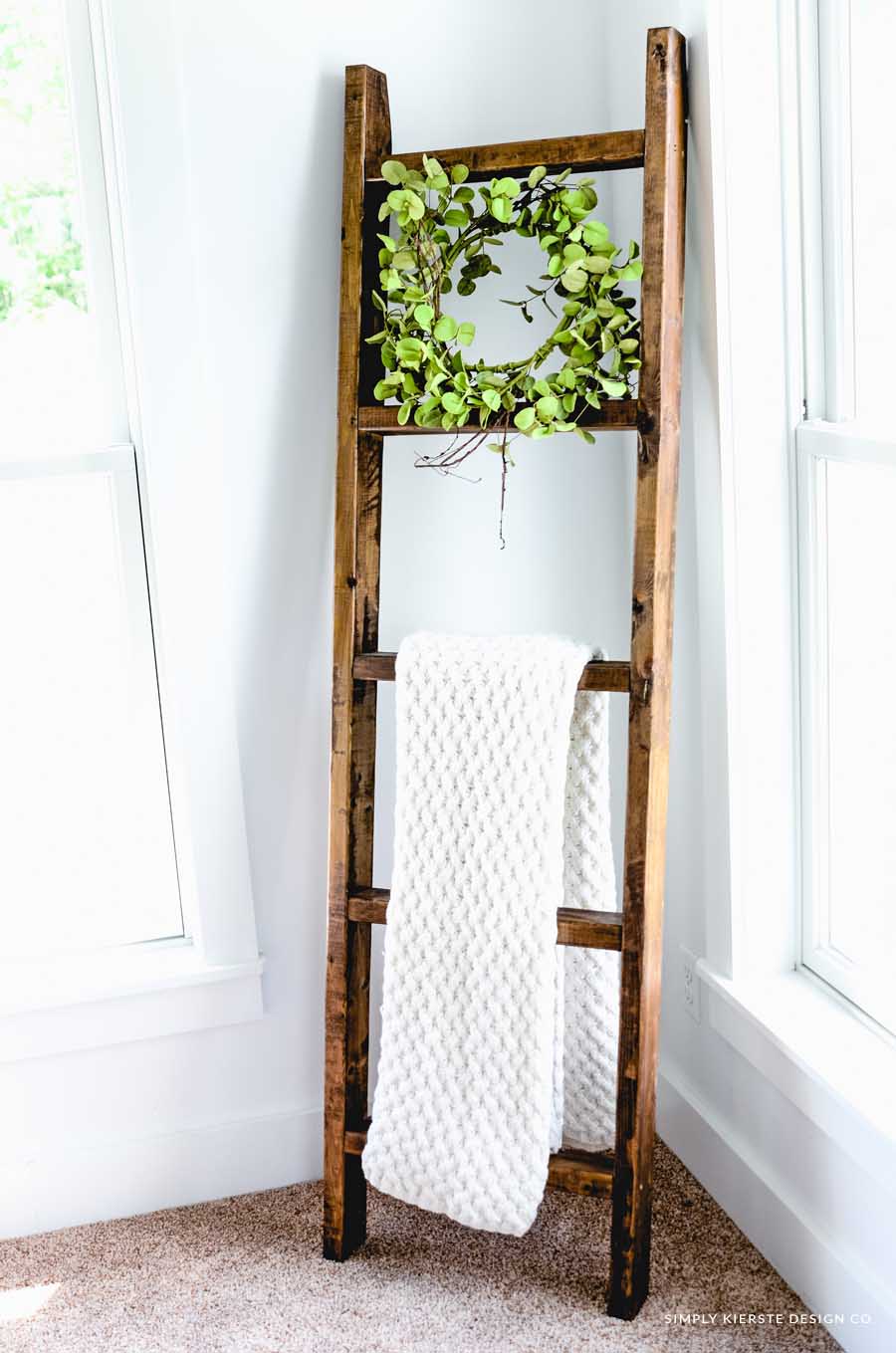
Hey there, plant lovers! Ever wished you had more space to showcase your leafy companions? Maybe you're running out of room on your windowsills or your shelves are starting to sag under the weight of all those gorgeous pots. Well, fret no more! Today, we're diving into the world of DIY and crafting a beautiful, functional wooden ladder perfect for displaying your plant hangers.
This project is surprisingly simple and can be tailored to your needs, making it a great choice for beginners and experienced builders alike. You'll be surprised at how much you can achieve with just a few basic tools and a bit of wood.
First things first: Planning your masterpiece
Before you start hammering and sawing, let's plan this out. Think about these key elements:
Size and Scale: How many rungs do you need? How tall and wide should your ladder be? Consider the size of your plants and where you'll be displaying it.
Wood Choice: You have a world of options! Pine is budget-friendly and easy to work with. Oak, maple, and walnut offer a more luxurious look and durability. Consider your style and budget.
Finishing Touches: Do you want a natural, oiled look, a stain for a richer tone, or a bright, cheerful paint? Decide on your preferred finish before you start.
Gathering Your Supplies:
Now for the fun part: shopping! Here's what you'll need:
Wood:
Two long pieces for the sides (rails): Calculate the length based on your desired height, adding some extra for stability at the bottom.
Rungs: You'll need as many pieces as you want rungs on your ladder.
Optional:
Base: This adds stability and a more finished look. It can be a single piece of wood or a smaller square frame.
Top piece: For a decorative touch and to prevent plant hangers from slipping off.
Tools:
Saw (circular saw or handsaw): For cutting wood to size.
Screwdriver or drill: For attaching rungs to the rails.
Measuring tape: For precise cuts and spacing.
Pencil or marker: For marking cutting lines.
Clamps: To hold pieces together during assembly.
Sandpaper: For smoothing rough edges and creating a polished look.
Safety gear: Always wear safety glasses, gloves, and dust mask when working with wood.
Optional:
Wood glue: For extra strength and a more seamless look.
Finishing products: Stain, paint, oil, varnish, or polycrylic sealer, depending on your desired look.
Paintbrushes, rags, or applicators: For applying finishing products.
Building Your Green Haven:
Now for the exciting part! Here's a step-by-step guide to building your ladder:
1. Cutting the Wood: Measure and cut your rails to your desired length. Cut the rungs to your desired width. If you're using a circular saw, make sure to use a straight edge for precise cuts.
2. Marking and Drilling: On one rail, mark the position for the rungs. Space them evenly, taking into account the size of your plant hangers. Use a drill to create pilot holes for the screws at each marked spot.
3. Assembling the Ladder: Place the rails parallel to each other and align the rungs. Secure them with screws, making sure they are flush with the rails. Use clamps to hold everything in place while you work.
4. Optional: Adding a Base: Cut a piece of wood to the width of your rails. Attach it to the bottom of the rails, using screws and wood glue.
5. Optional: Adding a Top Piece: Attach a piece of wood to the top of the ladder. This can be a simple piece, or you can get creative and add some decorative elements like a small shelf or a hook for hanging accessories.
6. Sanding and Finishing: Once the ladder is assembled, sand the entire surface to create a smooth, polished finish. Apply your chosen stain, paint, or oil, following the manufacturer's instructions. Let it dry thoroughly before adding your plant hangers.
Tips and Tricks:
Measure twice, cut once: This is a classic carpentry rule for a reason. Double-check your measurements before cutting to ensure everything fits perfectly.
Start with pilot holes: Pilot holes prevent the wood from splitting when you screw in the rungs.
Use clamps: Clamps will hold your pieces in place while you secure them with screws, ensuring a strong and secure bond.
Sanding is your friend: A little sanding goes a long way! It will smooth out rough edges and create a polished look.
Let it dry: Make sure your finishing products dry completely before adding your plants.
Adding Your Plant Hangers:
Now comes the fun part: decorating your new ladder!
Choose plant hangers that complement the style of your ladder. There are so many options to choose from, from macrame to woven rope to metal hoops.
Experiment with different plant combinations. You can create a cohesive look by using plants with similar colors and textures, or go for a more eclectic style with a variety of plants.
Consider the weight of your plants. Make sure the rungs are strong enough to support the weight.
Hang your plants strategically. Place taller plants at the top of the ladder and shorter plants towards the bottom.
Beyond the Basics:
Creative Touches: Add a personal touch with painted designs, engraved details, or decorative elements.
Custom Designs: Experiment with different shapes and sizes. Build a tiered ladder, a leaning ladder, or a ladder with a curved design.
Multi-Purpose Ladder: Use your ladder for other home decor purposes, such as displaying books, candles, or artwork.
Your Very Own Green Oasis:
Congratulations! You've created a beautiful and functional ladder for your plant hangers. Now, go forth and fill it with lush greenery! Remember, this is just a starting point. Get creative and explore your own ideas for this project. With a little effort and imagination, you can create a stunning display that will bring life and vibrancy to your space. Happy planting!
No comments:
Post a Comment
Note: Only a member of this blog may post a comment.