Free and Fun Woodworking Projects for Beginners to Build for Your Home
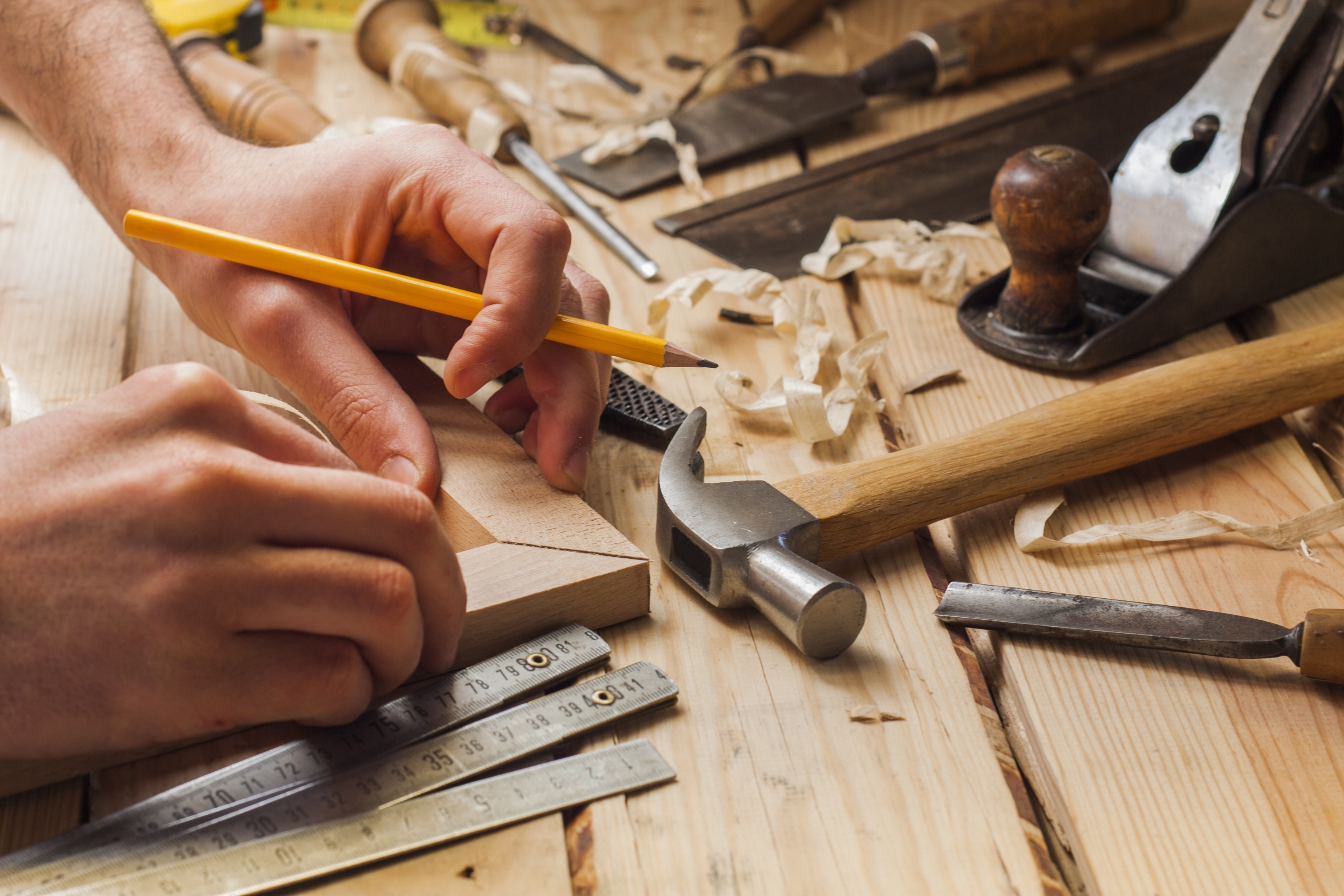
Hey there, woodworking enthusiasts! Are you itching to unleash your inner craftsman but feeling a little intimidated by the world of saws, hammers, and sawdust? Don't worry, you're not alone. Woodworking can seem daunting at first, but with a little guidance and the right projects, you'll be building amazing things in no time.
Today, we're diving into the world of beginner-friendly woodworking projects that are both free and fun. These projects are perfect for learning the basics, getting comfortable with your tools, and adding some unique charm to your home.
Simple and Satisfying Starter Projects
Let's start with some projects that are easy to tackle and won't break the bank. These are great for building confidence and getting familiar with the basics of woodworking.
1. Wooden Coasters
Coasters are an excellent place to start! They're small, quick to build, and a practical addition to any home.
Here's what you'll need:
- Scrap wood (1/2-inch thick is ideal)
- Saw (hand saw, circular saw, or jigsaw)
- Sandpaper (various grits)
- Wood glue
- Optional: Stain, paint, or sealant
Cut your wood into 4-inch squares, sand the edges smooth, and then glue a piece of felt or cork to the bottom to prevent scratches. Personalize them by staining, painting, or adding a decorative element like a burned design or a small piece of inlay.
2. Wooden Picture Frames
Display your favorite memories in style with custom-made picture frames. They're a fantastic way to showcase your woodworking skills while adding a touch of personalization to your home decor.
Here's what you'll need:
- Scrap wood (1/2-inch thick is ideal)
- Saw (hand saw, circular saw, or jigsaw)
- Sandpaper (various grits)
- Miter saw (optional but helpful)
- Wood glue
- Nails or screws
- Optional: Stain, paint, or sealant
Measure the size of your picture, and then cut the wood to create the frame pieces. Use a miter saw to make clean 45-degree angles for a professional look. Sand the edges, glue the pieces together, and secure them with nails or screws. Let the glue dry completely before adding a finish.
3. Wooden Utensil Holder
Keep your kitchen organized and stylish with a DIY utensil holder. This project is super functional and a great way to add a personalized touch to your kitchen.
Here's what you'll need:
- Scrap wood (1/2-inch thick is ideal)
- Saw (hand saw, circular saw, or jigsaw)
- Sandpaper (various grits)
- Wood glue
- Nails or screws
- Optional: Stain, paint, or sealant
Cut your wood into rectangular pieces to create the sides and base of the holder. Use glue and nails or screws to assemble them. Once dry, sand the exterior smooth and add a finishing touch like a stain, paint, or sealant.
Up Your Game with Intermediate Projects
Ready to move beyond the basics? These projects are a bit more challenging but offer a fantastic opportunity to expand your woodworking skills.
1. Wooden Cutting Board
A cutting board is a kitchen essential, and making your own is a rewarding project. This project allows you to experiment with different wood types and finishes.
Here's what you'll need:
- Hardwood boards (like maple, walnut, or cherry)
- Saw (hand saw, circular saw, or jigsaw)
- Sandpaper (various grits)
- Wood glue
- Clamps
- Mineral oil or cutting board conditioner
- Optional: A router for rounded edges
Cut the hardwood boards to your desired size. Glue them together, ensuring the grain runs in alternating directions for stability. Use clamps to secure the pieces while the glue dries. Sand the board smooth and apply a finishing coat of mineral oil or cutting board conditioner.
2. Wooden Birdhouse
Bring a little wildlife to your backyard with a handcrafted birdhouse. This project combines basic carpentry with creative design, allowing you to tailor it to your specific bird preferences.
Here's what you'll need:
- Scrap wood (1/2-inch thick is ideal)
- Saw (hand saw, circular saw, or jigsaw)
- Sandpaper (various grits)
- Wood glue
- Nails or screws
- Optional: Stain, paint, or a metal roof
Cut the wood into the required pieces for the base, sides, roof, and entrance hole. Glue and secure the pieces using nails or screws. Sand the exterior smooth, and then decorate with paint or stain. A metal roof adds a touch of durability and a unique look.
3. Wooden Wall Shelf
Add some extra storage and style to your home with a custom-made wall shelf. This project lets you experiment with different shapes, sizes, and finishes to perfectly suit your needs.
Here's what you'll need:
- Scrap wood (1/2-inch thick is ideal)
- Saw (hand saw, circular saw, or jigsaw)
- Sandpaper (various grits)
- Wood glue
- Nails or screws
- Brackets (for wall mounting)
- Optional: Stain, paint, or sealant
Cut the wood into the desired shape and size for the shelf and any supports or decorative elements. Glue and secure the pieces together. Sand the surface smooth and apply a finish like stain or paint. Attach the brackets to the wall and then mount your shelf.
The Joy of Woodworking for Beginners
Woodworking isn't just about building things; it's about creating something unique and personal. Each project is a chance to experiment with different techniques, learn from your mistakes, and discover the satisfaction of bringing your own ideas to life. As you progress, you'll find yourself drawn to more challenging projects, and the possibilities become endless!
Remember, every woodworking journey begins with a single step. So, grab some scrap wood, gather your tools, and let's build something amazing together.
Commonly Asked Questions
1. What are the essential tools for a beginner woodworker?
You can start with a few basics:
- Saw (hand saw, circular saw, or jigsaw)
- Sandpaper (various grits)
- Screwdriver
- Hammer
- Measuring tape
- Pencil
- Wood glue
- Clamps (optional)
As you progress, you can add more specialized tools like a miter saw, router, or drill press.
2. Where can I find free woodworking plans?
There are many online resources for free woodworking plans. Here are a few great places to start:
- Ana White (Ana-White.com)
- The Wood Whisperer (TheWoodWhisperer.com)
- Instructables (Instructables.com)
3. How do I choose the right wood for my project?
Consider the project's purpose and the wood's properties:
- Hardness: Harder woods like maple or oak are great for cutting boards and durable furniture.
- Grain: Wood with a beautiful grain pattern can enhance the look of your project.
- Cost: Consider your budget and whether you're using scrap wood or purchasing new boards.
Don't hesitate to ask questions at your local lumberyard. The staff is knowledgeable and happy to help you choose the right wood for your needs.
Happy building!